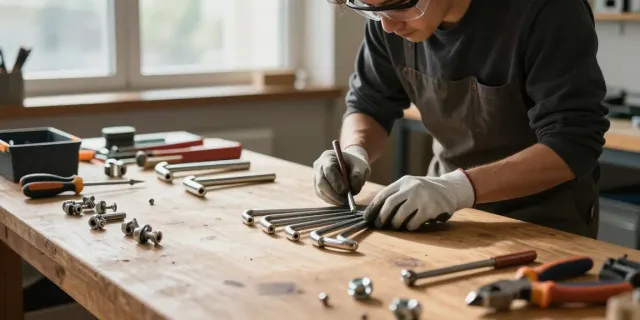
Understanding the Basics of Allen Keys
Allen keys, also known as hex keys or L-wrenches, are indispensable tools in both professional and DIY settings. Their unique design allows for efficient fastening and loosening of bolts or screws with hexagonal recesses. With their simplicity and versatility, allen keys have become a staple in toolkits worldwide, catering to a variety of applications, from furniture assembly to automotive repairs. In this article, we will deeply explore the different types of allen keys, their common applications, and the best practices for use, ensuring you gain a comprehensive understanding of these essential tools. Additionally, when exploring options, allen keys can offer you a range of features designed for both durability and precision.
What Are Allen Keys?
An allen key is a simple yet effective tool used for driving bolts and screws that feature internal hexagonal recesses. Their design is fundamentally an L-shaped metal rod, allowing the user to apply torque more effectively. Typically made from steel, they can also be found in various materials, including stainless steel, which provides enhanced durability and resistance to corrosion.
Types of Allen Keys You Should Know
There are various types of allen keys available, catering to different needs:
- Standard Allen Keys: The most common type, typically found in sets that include various sizes.
- Ball-End Allen Keys: These allow for greater accessibility in tight or awkward angles, making it easier to drive screws at an angle.
- Extended Allen Keys: Longer in length, these provide additional leverage, which can be advantageous for larger fasteners.
- Adjustable Allen Keys: Featuring a mechanism that allows for various sizes to be used, these are versatile for multiple applications.
Common Applications of Allen Keys in Home Projects
Allen keys are utilized in various applications across multiple domains:
- Furniture Assembly: Many modern furniture pieces, especially flat-pack items, use hexagonal screws for assembly.
- Bicycle Repair: Bicycles often employ hex bolts for securing components like handlebars and seat posts.
- Automotive Work: Allen keys are frequently used in automotive repairs for securing parts that require a snug fit.
- Electronics Assembly: Tools like allen keys are essential for assembling delicate electronic devices where precision is critical.
Choosing the Right Allen Keys for Your Needs
With so many options available, selecting the appropriate allen keys can be daunting. Factors such as the type of project, material requirements, and frequency of use should guide your decision-making process.
Factors to Consider When Selecting Allen Keys
When it comes to choosing the right allen keys, consider the following:
- Size: Make sure to get a size that fits the hex sockets of your screws. A complete set often ranges from tiny sizes, like 0.7 mm, to larger sizes, such as 10 mm.
- Material: Opt for keys made of high-quality materials. Steel or stainless steel options offer durability and longevity.
- Grip: Some allen keys come with ergonomic handles or grips, providing better leverage and comfort during use.
Comparing Metric vs. SAE Allen Keys
When deciding between metric and SAE (Society of Automotive Engineers) allen keys, consider the fastening system in use:
- Metric Allen Keys: Common in Europe and for most international products, these sizes are determined in millimeters.
- SAE Allen Keys: Predominantly used in the United States, these sizes are measured in inches and can be found on many American-made products.
Quality Indicators of Reliable Allen Keys
To ensure the longevity and effectiveness of your allen keys, look for these indicators of quality:
- Material Quality: High-carbon steel or chrome-vanadium steel are excellent indicators of durability.
- Finish: A smooth finish can help prevent rust and improve the tool's overall lifespan.
- Brand Reputation: Purchasing from reputable brands often ensures better quality and customer service.
Best Practices for Using Allen Keys
Utilizing allen keys properly can impact both the effectiveness of your work and the longevity of your tools. Follow these best practices to optimize your experience.
Proper Techniques for Fastening with Allen Keys
For efficient use, consider these techniques:
- Use the Correct Size: Always choose the appropriate size to prevent stripping the screw head.
- Avoid Excessive Force: Applying too much torque can lead to damage to both the tool and the fastener.
- Line Up Properly: Ensure the allen key is fully seated within the socket before turning to avoid slipping.
Avoiding Common Misconceptions About Allen Keys
It’s important to dispel common myths surrounding allen keys:
- “All Allen Keys Are Universal”:While many sizes appear similar, slight variations can impact fit and performance.
- “You Can Use a Screwdriver Instead”:Using a screwdriver can damage the screw head, leading to complications when tightening or loosening.
Maintenance Tips for Longevity of Allen Keys
To maintain your allen keys in prime condition, follow these maintenance tips:
- Regular Cleaning: Remove dirt and grime after use to prevent corrosion.
- Proper Storage: Store keys in a dry environment; consider using a dedicated tool organizer.
- Inspect for Wear: Regularly check your tools for signs of wear or damage, replacing them as necessary.
Tools That Complement Your Allen Keys
Allen keys are often part of a larger toolkit. To enhance your projects, consider these complementary tools:
Essential Tools for DIY Workshops
Pairing your allen keys with these essential tools can boost your efficiency:
- Screwdrivers: A good set of screwdrivers provides versatility for various screw types.
- Socket Wrenches: Useful for larger fasteners that require additional torque.
- Torque Wrench: Ensures bolts are tightened to the manufacturer's specifications, critical for automotive tasks.
How to Organize Your Tool Collection Effectively
Keeping your tools organized can save time and prevent loss:
- Toolboxes: Use a toolbox with designated compartments for easy access.
- Magnetic Strips: Install magnetic strips in your workshop for quick access to frequently used tools.
- Labels: Consider labeling drawers or compartments to identify contents easily.
Recommended Tool Brands for Quality Allen Key Sets
Investing in quality brands can yield better performance. Some recommended brands include:
- Bondhus: Known for their durable chrome vanadium steel tools.
- Wiha: Offers professional-grade tools with a focus on ergonomics.
- Klein Tools: Provides high-quality options that are particularly popular among electricians.
Future Trends in Allen Key Utilization
The world of tools is constantly evolving, and allen keys are no exception. Understanding upcoming trends can help you stay ahead in your DIY and professional endeavors.
Innovations in Tool Design for 2026
As we approach 2026, expect to see innovations in materials and ergonomic designs that enhance usability. Advances in manufacturing techniques may lead to lighter, more durable options that cater to a broader range of applications, including smart tools integrated with sensors for torque measurement.
Emerging Trends in DIY and Home Improvement
With the rise of DIY culture, more homeowners are taking on projects themselves, which increases the demand for versatile tools like allen keys. Expect to see more instructional content and community resources helping novices to build confidence in using these tools.
How Allen Keys Are Evolving with Technology
In terms of technology, the integration of smart solutions into tools is on the rise. For more information, Mister Worker offers valuable insights. Allen keys might soon see enhanced features such as digital torque settings or connectivity with smartphones to track usage and performance, providing users with data-driven insights to improve their skills.